The Operator Who Can't Tell the Difference: Why Most HVAC and Plumbing Operators Lose Jobs at the Intake Step—Before They Ever Know What the Homeowner Actually Needs
July 2, 2026 · from the GateCurate team
The Operator Who Can’t Tell the Difference: Why Most HVAC and Plumbing Operators Lose Jobs at the Intake Step—Before They Ever Know What the Homeowner Actually Needs
When a homeowner calls at midnight with no heat or a burst pipe, the operator who answers first wins the job—but most operators can’t tell a high-value emergency from a low-priority callback, and they’re too stretched to answer at all.
TL;DR
- Most HVAC and plumbing operators lose emergency jobs not to better service, but to whoever answers the phone first—and they can’t tell which calls are worth dropping everything for.
- The labor shortage means operators are already running at capacity, so every hour spent on the wrong lead is an hour stolen from the jobs that actually pay the bills.
- Without qualification before contact, operators treat every inquiry the same—burning out on low-intent calls while high-value emergencies slip to competitors who picked up faster.
- Right-fit operators qualify before they call back, so they know who needs them now, who can wait, and who’s shopping price—and they allocate their time accordingly.
The Problem
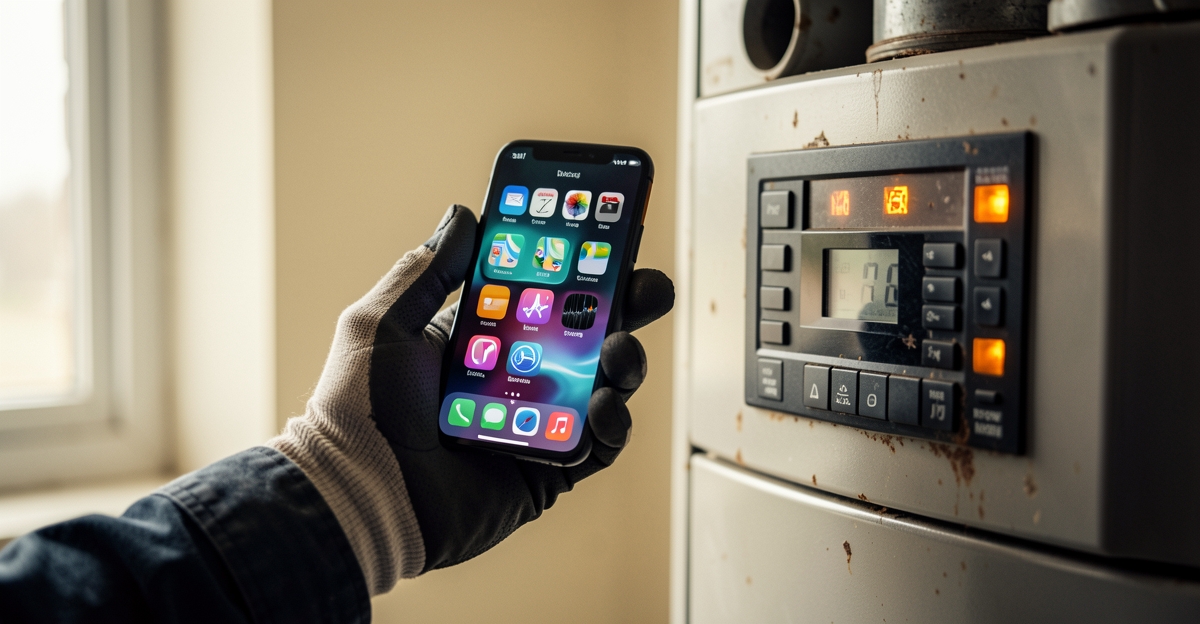
It’s 2 a.m. on a January night. A homeowner in a suburb outside Dallas wakes up to a house that’s dropped to 52 degrees. The furnace is silent. She grabs her phone and starts calling every HVAC number that shows up in a Google search.
The first operator doesn’t answer. The second sends her to voicemail. The third picks up on the first ring, asks three questions, and has a truck scheduled for 6 a.m.
She never calls the first two back.
This isn’t a story about customer service. It’s a story about capacity under pressure. The operators who didn’t answer weren’t ignoring her—they were asleep, or on another job, or answering another call. But the outcome is the same: they lost a job that could have been worth anywhere from a few hundred dollars for a quick fix to several thousand for a system replacement.
And here’s the part that makes it worse: they have no idea which one it was, because they never got far enough to find out.
Most HVAC and plumbing operators are stretched so thin that they can’t tell the difference between a high-value emergency and a tire-kicker until they’re already on the phone—or worse, already in the truck. They treat every inquiry the same because they don’t have a way to know better. And in a market where the HVAC industry is dealing with a shortage of 110,000 technicians, that means every hour spent on the wrong lead is an hour they can’t get back.
Why It Happens
The labor shortage isn’t just making it harder to hire. It’s making it harder to operate.
When you’re running a crew of three techs and you’ve got twelve calls in the queue, you don’t have time to vet every inquiry. You answer the phone, you ask where they are and what’s wrong, and you either book it or you don’t. If you’re lucky, you ask how soon they need someone. If you’re really lucky, you ask if they’ve already called someone else.
But you don’t know—before you pick up—whether this is the call that’s going to generate real revenue or the call that’s going to waste twenty minutes of your best tech’s time.
Last year alone, nearly 600,000 jobs were posted for major skilled trades positions in the U.S., while only about 150,000 new workers entered the labor pool through apprenticeship programs, according to JLL. The gap isn’t closing. It’s widening. And every operator who’s trying to keep up is making the same trade-off: answer everything and hope some of it sticks, or let calls go to voicemail and hope the ones that matter call back.
Neither option works.
The operators who answer everything burn out their teams chasing low-intent calls. The operators who let calls go to voicemail lose the high-value emergencies to whoever picked up faster. And both groups are flying blind, because they don’t have a way to know—before the phone rings—who’s serious, who’s shopping, and who’s just looking for a ballpark number they’re going to use to negotiate with someone else.
Why The Pattern Holds
The reason this pattern persists isn’t because operators don’t care. It’s because the way intake works right now forces them to treat every inquiry as equally urgent until they’ve spent enough time on it to know otherwise.
Think about what happens when a homeowner fills out a contact form or leaves a voicemail. The operator gets a name, a phone number, maybe an address, and a one-sentence description of the problem: “No heat,” “Leaking pipe,” “AC not cooling.” That’s it. No context about whether this is an emergency or a maintenance call. No signal about whether they’ve already called three other operators. No indication of whether they’re ready to book or just gathering quotes.
So the operator calls back, and the first five minutes of that conversation are spent figuring out what the homeowner actually needs. If it’s a real emergency—furnace out in the middle of winter, burst pipe flooding the basement—that time is well spent. If it’s someone who’s “just checking prices” or “not sure if I need service yet,” those five minutes just became a sunk cost.
And here’s the part that makes it worse: the operators who do answer fast enough to win the emergency calls are also the ones who are most likely to burn out, because they’re answering everything fast. They can’t tell the difference between the midnight furnace call and the mid-afternoon “how much does a tune-up cost?” inquiry until they’re already on the phone.
The math is brutal. Most operators are running with limited crew capacity. When a tech is on a job, they’re generating revenue. When they’re driving to a job that turns out to be a no-show, or spending thirty minutes on the phone with someone who isn’t ready to book, that’s capacity they can’t get back. And in a market where demand is high but labor is scarce, every wasted hour is a job they didn’t take that someone else did.
What Right-Fit Operators Do Differently
The operators who are winning in this environment aren’t answering faster. They’re answering smarter.
They qualify before they call back.
When a homeowner submits a contact form or leaves a voicemail, right-fit operators already know—before they pick up the phone—whether this is an emergency, a maintenance call, or a price-shopping inquiry. They know whether the homeowner has called other operators. They know whether the homeowner is ready to book or still gathering information. And they allocate their time accordingly.
That doesn’t mean they ignore the low-priority calls. It means they handle them differently. The emergency gets a call back in five minutes. The maintenance inquiry gets a text with a link to schedule. The price-shopper gets an email with a ballpark range and a note that says, “Call us when you’re ready to move forward.”
The result: the operator’s best people spend their time on the calls that matter, and the homeowner who needs help right now gets it.
This isn’t about being selective. It’s about being efficient. When you know—before you call—what the homeowner actually needs, you can show up to that first conversation with the right information, the right questions, and the right next step. The homeowner feels heard. The operator doesn’t waste time. And the job gets booked or ruled out in minutes, not hours.
Here’s what that looks like in practice:
A homeowner in Phoenix submits a contact form at 11 p.m. on a Sunday. “AC not working. House is 85 degrees.” The operator’s intake system flags it as high-urgency based on the time of submission, the temperature reference, and the fact that it’s July. The on-call tech gets a text with the homeowner’s name, address, and a summary of the issue. He calls back in six minutes, confirms it’s an emergency, and has a truck scheduled for 7 a.m. Monday. The homeowner never calls anyone else.
Same operator, different scenario: A homeowner submits a form on a Tuesday afternoon. “Thinking about replacing my furnace before winter. Not urgent.” The intake system flags it as low-urgency, high-value. The operator sends an automated text with a link to schedule a free estimate, and follows up with a call two days later when the sales team has capacity. The homeowner books the estimate, and the operator’s techs never touched it until it was qualified.
The difference isn’t the technology. It’s the discipline. Right-fit operators don’t treat every inquiry the same because they’ve built a system that tells them—before they engage—what the homeowner actually needs and whether they’re ready to move forward.
What Changes
When operators qualify before they call back, three things happen immediately:
1. The right calls get answered first. The homeowner with no heat at midnight gets a callback in minutes. The homeowner who’s “just checking prices” gets a response, but it doesn’t pull a tech off a job to deliver it. The operator’s capacity goes to the calls that generate revenue, and the homeowner who needs help gets it faster.
2. The team stops burning out on dead leads. When you know—before you engage—whether someone is ready to book, your best people stop spending their mornings chasing callbacks that go nowhere. They show up to work knowing the calls in their queue are worth their time. That’s not just efficiency. That’s retention.
3. The operator can see the difference between demand and noise. Most operators think they have a lead problem. They don’t. They have a qualification problem. When you can see—before you call—which inquiries are serious and which aren’t, you stop chasing volume and start optimizing for fit. The operator who does that doesn’t need more leads. They need better signal.
Key Takeaways
- The labor shortage means operators can’t afford to waste time on low-intent calls—but most can’t tell the difference until they’re already on the phone.
- Emergency calls go to whoever answers first, but operators who answer everything burn out their teams on price-shoppers and no-shows.
- Right-fit operators qualify before they call back, so they know who needs them now, who can wait, and who’s just gathering quotes.
- When you know—before you engage—what the homeowner actually needs, you can allocate your team’s time to the calls that generate revenue and let the rest wait.
- The operator who qualifies first doesn’t just win more jobs. They keep their team from burning out on the ones that were never real.
You’re already stretched thin. You don’t need more leads. You need to know which ones are worth your time—before you pick up the phone.
Activate Access at gatecurate.com/activate and see what happens when qualification comes first.
Related Articles
- The Labor Shortage Most HVAC and Plumbing Operators Can’t Talk About — Because They’re Too Busy Answering Phones
- The Four-Minute Rule: Why Most HVAC and Plumbing Operators Lose Jobs Before They Know What the Homeowner Needs
- The Midnight Emergency Problem: Why Most HVAC and Plumbing Operators Can’t Tell a High-Ticket Job From a Low-Value Callback