The Contact-Info Wall: Why Real Estate Agents Lose Leads at the Ask, Not the Close
June 2, 2026 · from the GateCurate team
The Contact-Info Wall: Why Real Estate Agents Lose Leads at the Ask, Not the Close
The conversation was going fine — until you asked for their phone number and email. Then they disappeared. Here’s what’s actually happening in that moment, and why the agents who win are the ones who ask for less, sooner.
The Reality
The buyer fills out your inquiry form at 9:47 PM on a Tuesday. They’ve spent twenty minutes on Zillow, clicked through to your listing, and now they’re ready to take the next step. They type their name. They start typing their email address.
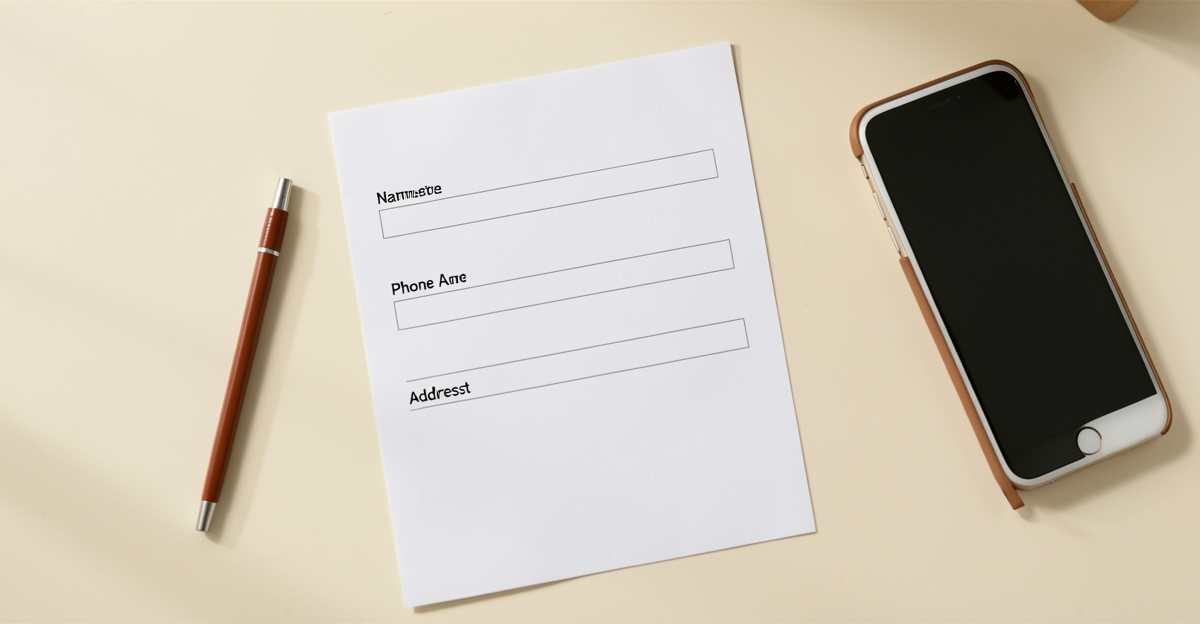
Then the form asks for phone number. And address. And preferred contact method. And whether they’re pre-approved.
They close the tab.
A large share of homebuyers end up working with the first real estate agent who responds to their inquiry. But that pattern assumes the inquiry actually gets submitted. Many real estate inquiries arrive outside traditional business hours, with peak inquiry times during evenings and weekends — which means most buyers are filling out forms when they’re distracted, tired, or multitasking.
And the moment you ask for too much information at once, you’ve introduced friction they didn’t expect and don’t have the patience to tolerate.
This isn’t a lead quality problem. It’s an intake design problem. The agents who convert at a much higher rate than typical aren’t getting better leads. They’re asking better questions, in a better order, at a better time.
Why It Costs You
Agents who respond within a few minutes are far more likely to qualify that lead than those who wait half an hour. But if the lead never submits the form in the first place, response time is irrelevant.
Here’s what’s actually happening when you front-load your intake form with every field you’ll eventually need:
The buyer is evaluating you in real time. They’re not just deciding whether to submit the form — they’re deciding whether you respect their time. When the form asks for name, email, phone, address, budget, pre-approval status, timeline, and preferred contact method all at once, the message you’re sending is: “I need all of this before I’ll tell you anything.”
That’s not how trust works.
You’re asking for commitment before rapport. When a potential buyer sends an inquiry or expresses interest in a property, their expectation is for a swift response. Failure to respond promptly can leave them feeling neglected or unimportant, potentially causing them to move on to the next listing. But the same principle applies to the form itself. If the buyer feels like they’re being interrogated before they’ve even had a conversation, they’ll move on — not because they’re not serious, but because you’ve made them work too hard to get your attention.
The drop-off is invisible. When a lead doesn’t submit the form, you never see them. They don’t show up in your CRM. They don’t get counted in your “unresponsive leads” bucket. They just vanish. And because you can’t measure what you didn’t capture, most agents have no idea how many potential clients they’re losing at the intake stage.
Each missed or poorly handled lead can represent a substantial loss of commission income. Across a year of leads, slow response times can add up to serious lost revenue. But slow response isn’t the only revenue killer. The form that never gets submitted costs you just as much — and you’ll never know it happened.
How Right-Fit Operators Handle It
The agents who consistently convert above the industry average don’t ask for less information. They ask for it differently.
They ask for one primary contact field first. Phone or email — not both. The buyer picks. Once intent is established and the conversation has started, the second contact method gets collected naturally. This single change reduces perceived friction and increases form completion rates.
They treat the form as the beginning of the conversation, not a prerequisite for it. The intake form isn’t a gatekeeper. It’s an invitation. The agents who win are the ones who say, in effect: “Tell me just enough so I can respond to you right now, and we’ll figure out the rest together.”
They use qualification questions that feel helpful, not invasive. Instead of asking “What’s your budget?” in the first form, they ask “What neighborhoods are you interested in?” or “What type of property are you looking for?” These questions signal that the agent is trying to help the buyer, not qualify them out.
They respond immediately — even if it’s just to acknowledge. Property inquiry handling must be immediate during business hours and very fast (under 30 minutes) even during evenings and weekends when many buyers are actively searching. The agents who convert highest don’t wait until they have all the information. They respond to what they do have, and they use that first response to build rapport and collect the rest.
Operators who close this gap tend to see the same pattern: the agents who ask for name and one contact method in the first interaction, then follow up with a conversational text or email that feels like a real person responding to a real inquiry, tend to convert better than agents who require a full intake form before any response goes out.
The difference isn’t the lead source. It’s the intake design.
The Bottom Line
Most real estate agents don’t lose leads because they’re slow to respond. They lose them because the buyer never submitted the form in the first place.
The contact-info wall is real. It’s invisible. And it’s costing you more than you think.
The agents who win are the ones who ask for less up front, respond faster to what they do get, and use the first interaction to build trust instead of extract data.
You don’t need a better lead source. You need a better first question.
See how right-fit intake changes the conversation. Activate Access to GateCurate and start capturing the leads who are ready to talk — without making them work for it.